Why Every Yoga Teacher Needs to Learn the Art of Observation
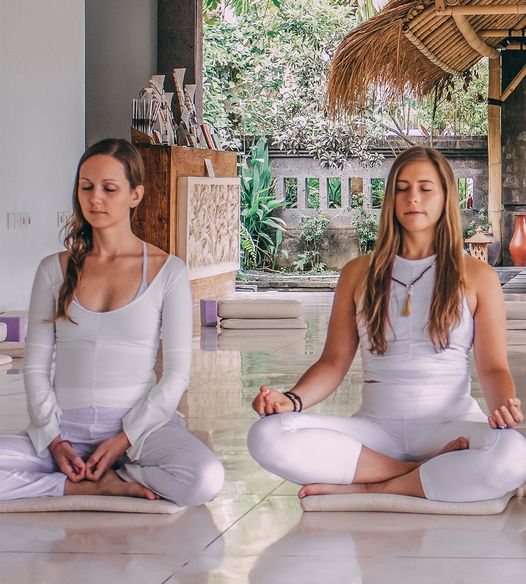
The first few months of teaching go almost entirely toward cues. Figuring out what to say, and when to say it, takes up most of that early energy, along with learning how to phrase a correction so it never feels like a public callout. That focus makes sense at the start, and most beginners entering a Bali yoga teacher training course spend that early stretch the same way. Watching gets talked about far less, though, and that gap tends to matter more than most trainees ever expect going in.
Students clock demonstration immediately; it’s the visible part of teaching. Observation stays quieter, running in the background of every single class, and it frequently shapes how a session feels more than anything actually said out loud.
Good Teachers Watch Before They Speak
A student’s shoulders creeping up toward their ears mid-stretch usually means something other than focus. Tension is often the real cause, a body bracing quietly against something that never got mentioned out loud. A knee that won’t settle into a pose might be guarding something old, an injury from years back that never made it onto any intake form.
Every person carries discomfort a little differently. Catching it means actually looking at the person in front of you, rather than running through the same checklist on every student regardless of who they are. A breath that holds a beat too long. A grimace that stays a second past when it should have faded. The right move sometimes is stepping back rather than jumping in, since not every wince calls for a correction right there in the moment.
Every Body Looks Different
Put ten students in the same forward fold, and you’ll see ten different shapes. Tight hamstrings change everything about how far someone bends. A longer torso changes how a twist even sits in the spine. A teacher expecting one uniform shape across the whole room sets up half the class to feel like they’re falling short at something they’re actually doing correctly.
New teachers often carry a mental image of the “right” version of a pose and cue toward that picture instead of the bodies actually in front of them. Letting go of that image takes time, and most teachers only manage it after enough classes where the gap between the image and the room becomes impossible to ignore.
Observation Helps Students Feel Safe
Students who feel unseen tend to drift, or stop coming back altogether. Trust builds through the small stuff, knowing when someone needs a block, a strap, or nothing more than a quiet word. No demonstration, however polished it looks, earns that kind of trust on its own.
There’s a pattern fatigue follows, once a teacher’s learned what to look for. Breath gets louder and less steady. Movements that were crisp fifteen minutes ago start slipping. Catching that shift without stopping to ask “are you okay?” lets a teacher ease the pace before someone pushes past where their body actually wanted to stop.
This Skill Takes Time to Build
A brand-new teacher missing these signals isn’t being careless. There’s simply too much competing for their attention already: the sequence, the clock, the next cue to remember. Watching the room falls low on that list out of pure necessity, not neglect.
That changes with repetition. Lead fifty classes and the mental bandwidth needed to actually watch students starts opening up on its own, no longer eaten by the effort of just remembering what comes next.
How Teacher Training Develops Observation
A strong training program doesn’t leave this to chance, expecting trainees to just absorb it eventually. It gets taught directly instead. Partner work handles part of that job, pairing trainees up to watch each other closely, catching small shifts in breath and alignment that would slip past unnoticed from the front of a full room. Practice teaching pushes that skill further, since watching real students stops being theoretical the moment trainees are actually leading them.
Feedback closes the loop that observation alone can’t. A mentor pointing out exactly what got missed during a fifteen-minute practice session often teaches more than an entire lecture on the topic could. Group size plays into this too, more directly than people expect. At Blooming Lotus Yoga, keeping training groups small means each trainee spends real time watching actual students in actual classes, instead of waiting their turn somewhere in the back of a room with thirty other people.
Programs built around this kind of hands-on repetition, the sort found in a serious Bali yoga teacher training course, tend to graduate teachers who notice what others walk right past. That distinction matters just as much as comparing a long-running Yoga Alliance certified yoga teacher training Bali program against a newer one, or trying to work out what actually qualifies as the best yoga teacher training Bali for a given set of goals.
Final Thoughts
Memorizing forty poses and leading a room through them competently is well within reach for plenty of people. Something quieter than technique separates someone who simply knows yoga from someone who can actually teach it. A Bali yoga teacher training for beginners that treats observation as central, rather than an afterthought squeezed in after cueing practice, tends to graduate teachers students genuinely want to see again. That kind of attention never shows up printed on a certificate. It shows up in the room, one class at a time.